Loading...
Serving Lafayette, CA and surrounding areas. (925) 298-0549
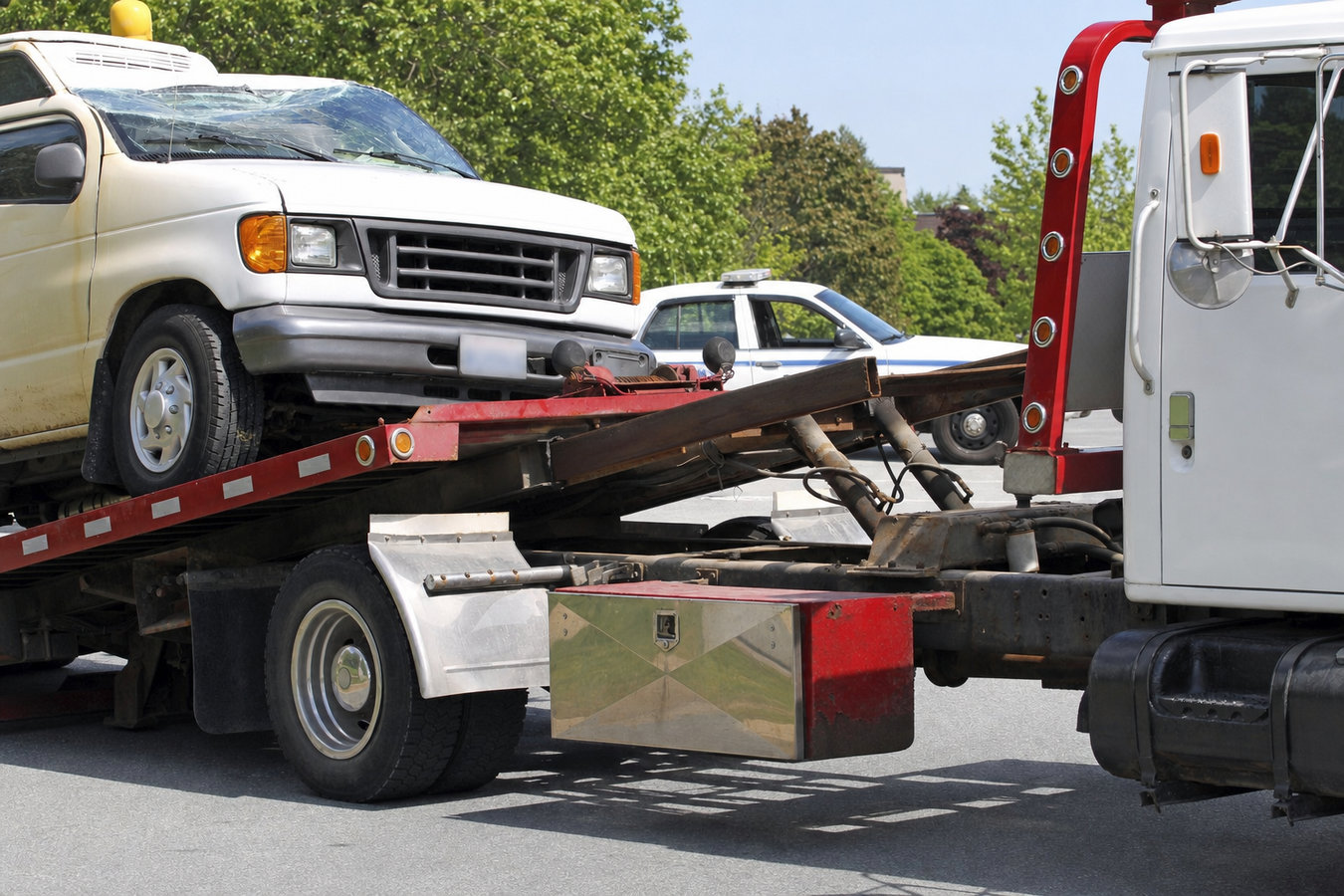
Law enforcement towed your vehicle - we handle the move, explain the retrieval steps, and make the process as straightforward as possible.
Police towing in Lafayette means a law-enforcement agency has ordered your vehicle removed from a public road, a private lot, or a parking area, and a towing company on the agency's approved rotation responds to the scene - you do not choose the company or the destination.
Common reasons include blocking traffic, being involved in a collision on Highway 24, having expired registration, being parked in a tow-away zone, or being connected to a law-enforcement investigation. The reason matters because it can affect what you need to bring to retrieve the vehicle and whether any holds are placed on it.
If your vehicle was involved in a collision before the police tow, you may also need accident recovery services alongside the tow - we coordinate both when the situation calls for it.
If you return to your parking spot and the vehicle is missing, check for posted tow-away signs before assuming it was stolen. Then call the law-enforcement agency with jurisdiction over that location - they can confirm whether a tow was ordered and which facility has the vehicle.
California law requires storage facilities to notify the registered owner after a non-consensual tow, typically within a short window after arrival. If you receive a notice, act on it right away - daily storage charges are running and waiting adds to what you will owe at pickup.
Collisions on the Highway 24 corridor near Lafayette often result in a California Highway Patrol-ordered tow. Contact CHP dispatch to confirm which storage facility has your vehicle and whether any hold has been placed on it before you head over.
The parking areas near the Lafayette BART station and downtown Lafayette are actively enforced. If your vehicle disappeared from one of those areas, the posted tow-away signs should list the towing company's contact - that is your first call to locate the vehicle.
We are on the approved rotation for law-enforcement agencies serving Lafayette, which means we respond when an officer orders a tow - whether that is the California Highway Patrol on the Highway 24 corridor or the Contra Costa County Sheriff on a local street. Every vehicle we handle gets a documented condition check before loading and is secured with the right equipment for its size and type. If you need vehicle storage after the tow, the transfer to a licensed storage facility is handled as part of the same operation.
When you call to locate your vehicle or ask about the retrieval process, we walk you through what California's rules require: a written itemization of charges, proper notification to the registered owner, and a clear release process. We do not add confusion to an already stressful situation - you get a straight answer about where your vehicle is, what it will cost to get it out, and what documents to bring. If an accident recovery is needed as part of the same incident, we handle that coordination too.
We respond to officer-ordered tows as part of the approved agency rotation - you do not choose the company, but we show up prepared and treat your vehicle with care regardless of the circumstances.
High-speed freeway tows require fast, safe work alongside moving traffic. We know the CHP protocols and the Highway 24 and I-680 corridors well enough to work efficiently without compounding the situation.
After the tow, your vehicle goes to a licensed storage facility that meets California's requirements for non-consensual tows. Charges and notification timelines follow state rules.
If you are confused about what you owe, what documents to bring, or whether a hold is in place, we explain the steps clearly - so you can get your vehicle back on the first visit rather than making multiple trips.
Lafayette sits directly along Highway 24 - a high-volume east-west corridor connecting the East Bay to Oakland and San Francisco through the Caldecott Tunnel. This stretch sees a steady number of collisions and disabled vehicles, which means police-ordered tows here often involve working quickly and safely alongside fast-moving freeway traffic. The California Highway Patrol handles incidents on the highway itself, while the Contra Costa County Sheriff covers local roads - knowing which agency ordered the tow tells you exactly who to call first to locate your vehicle.
The Lafayette BART station and the downtown commercial area along Mt. Diablo Boulevard are active enforcement zones. Vehicles in violation of posted parking rules in those areas are towed without additional warning. Residents in nearby Walnut Creek and Concord deal with the same Contra Costa County enforcement framework, and California's non-consensual tow rules apply equally across all those jurisdictions - so the retrieval process and your rights as a vehicle owner are consistent throughout the area.
The officer on scene contacts dispatch and requests a tow from the agency's approved rotation. You do not choose the company - the assigned provider responds. The tow company logs the vehicle's condition at scene.
The operator documents the vehicle's condition, loads it using the appropriate equipment, and transports it to an authorized storage facility. The facility's location is logged with the law-enforcement agency so you can trace it.
California requires the storage facility to notify the registered owner after a non-consensual tow. Call the storage facility before heading over to confirm hours, current charges, and exactly what to bring - your ID, proof of ownership, and payment.
Present your documents, review the itemized charges, and sign the release paperwork. Ask for a receipt listing every charge. Do a walk-around before you leave and note any concerns in writing - acting on the same day limits the storage bill.
One call to our dispatch gets you a clear answer - which facility has your vehicle, what the current charges are, and exactly what to bring. We reply within the same business day.
(925) 298-0549To be dispatched by the California Highway Patrol or the Contra Costa County Sheriff, a towing company must meet the agency's standards for equipment, insurance, and conduct. Rotation approval is a credential you can verify directly with the agency - it means we have already passed their review, not just our own.
Every police-ordered tow starts with a walk-around and condition log before the vehicle is touched. This protects you if there is any question about damage during transport - you have a record that was made at the scene, not after the fact.
Working on a high-speed freeway alongside moving traffic is a specific skill. We know the CHP protocols for the Highway 24 and I-680 corridors and work within those procedures - which means a faster, safer clearance for everyone at the scene.
California's rules around non-consensual tows give you real protections, but they are not always easy to navigate on your own. We explain exactly what those rules require - written charges, proper notice, and a clear release process - so you do not overpay or make a wasted trip to the storage facility. Learn more about your rights on the California DMV website.
Dealing with a police tow is stressful. We make the process as clear and fast as possible - from the moment we respond to the scene to the moment you drive your vehicle home.
Once your vehicle has been towed, secure licensed storage keeps it protected until you are ready to retrieve it or make next steps.
Learn MoreWhen a collision on Highway 24 or a local road triggers a police tow, accident recovery services handle the scene clearance as part of the same response.
Learn MoreStorage charges grow every day your vehicle sits - call Lafayette Towing Experts now and we will tell you exactly where it is and what you need to get it out today.