Loading...
Serving Lafayette, CA and surrounding areas. (925) 298-0549
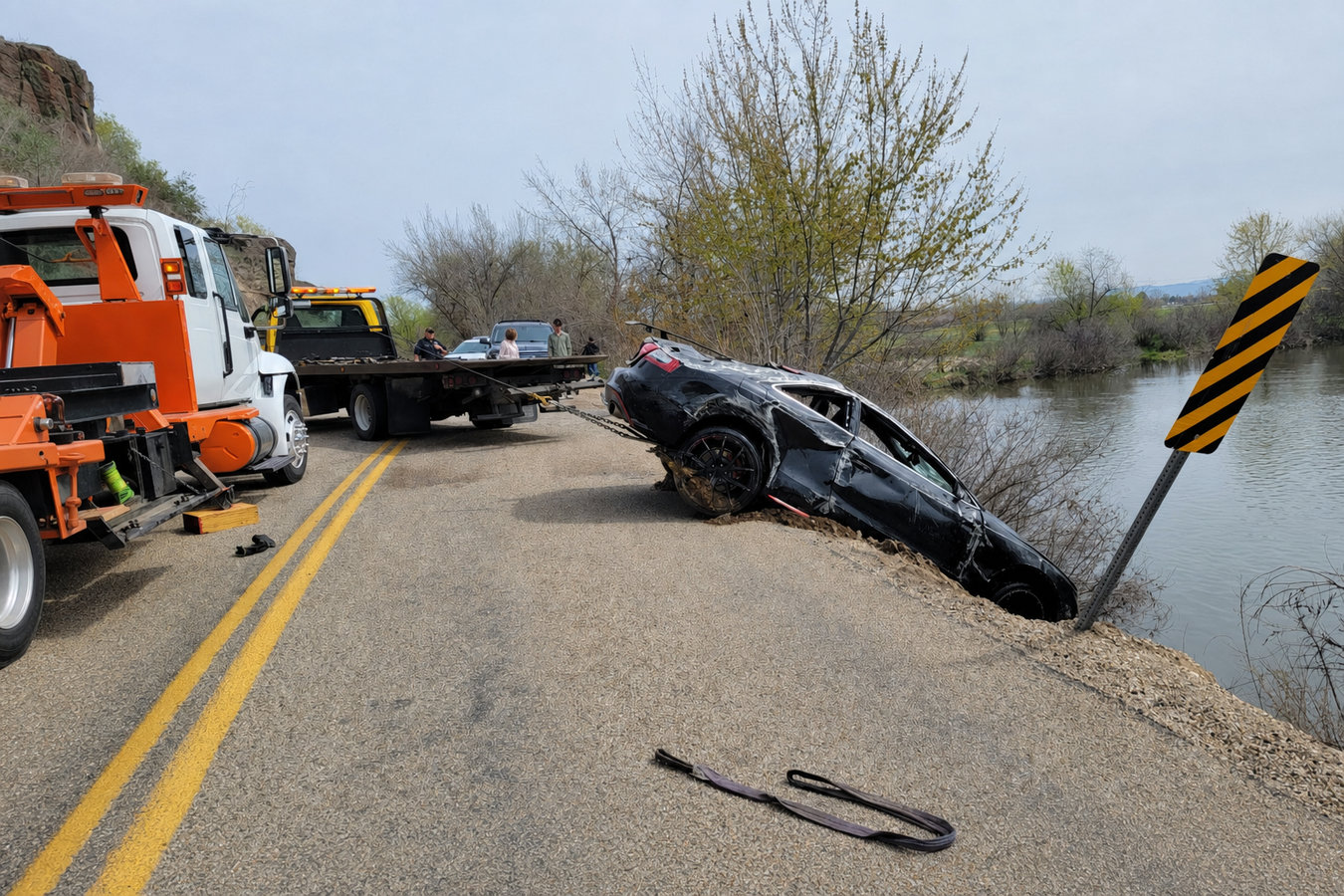
When your vehicle is off the road, on its side, or against a barrier, you need a trained recovery crew - not a standard tow truck. We know Highway 24, the Caldecott corridor, and the hill streets above Lafayette.
Accident recovery in Lafayette, CA is the process of safely removing a vehicle from a crash scene - whether it is spun out on the shoulder, wedged against a barrier, rolled onto its side, or resting in a ditch or embankment - using the right rigging and equipment for the position the vehicle is actually in.
A routine tow picks up a car that is already sitting upright and accessible. Recovery means dealing with a vehicle that is on its side, nose-down in a ditch, or pinned against a guardrail - positions that require winching, rigging, or uprighting before the vehicle can even be loaded. The crew has to think through the recovery angle, weight distribution, and what is underneath or around the vehicle before applying any force. For calls where the situation involves a larger commercial vehicle or a rig that has jackknifed, our wrecker service handles those configurations with purpose-built equipment.
You can tell a professional recovery team by how they approach the scene. They do a walk-around before touching anything, use proper rigging points on the vehicle frame rather than improvising, and move deliberately. A rushed or undertrained crew may drag a vehicle across pavement, attach to the wrong point, or skip stabilization - any of which can turn a repairable car into a much more expensive problem.
If your car has gone into a ditch, against a hillside, or partway down an embankment, you need a recovery crew - not just a tow truck. Do not try to drive it out. An unstable vehicle that is moved incorrectly can suffer more damage or become harder to recover.
A rolled vehicle needs to be uprighted before it can be towed. That requires specialized rigging and a crew that knows how to do it without crushing the roof further or spilling fluids that create a hazard on scene. Call immediately and stay clear of the vehicle.
Crashes on this corridor often happen in fast-moving traffic with limited shoulder space. The vehicle may be blocking a lane or wedged against a barrier. CHP will typically request a tow from their rotation, but a company familiar with this stretch responds faster and works more safely alongside emergency responders.
Even if a car is upright and accessible after a crash, visible frame damage, a deployed airbag, fluid leaking from underneath, or a wheel that does not track straight all mean the vehicle should not be driven. A flatbed carrier can transport it without putting any additional stress on damaged components.
Our accident recovery covers the full range of post-crash situations: winch-outs from shallow ditches, vehicle uprighting after a rollover, extraction from narrow hillside roads, and flatbed transport for damaged vehicles that cannot safely roll. For crashes involving larger vehicles - semis, commercial rigs, or RVs - the recovery work overlaps with our emergency towing service, and we coordinate both in a single response so you are not waiting for a second truck.
Every accident recovery starts with an assessment, not an immediate hookup. The crew checks the vehicle's position, the terrain, any hazards, and the safest approach before rigging anything. That step is what separates a professional recovery from one that adds damage to an already damaged vehicle.
For vehicles stuck in a ditch, high-centered, or mired in mud or loose soil after leaving the roadway.
When a vehicle is on its side or roof, specialized rigging uprights it before loading - the right approach prevents additional roof or structural damage.
For vehicles that have gone partway down a hill or embankment on one of the steep residential roads above Lafayette, where standard tow equipment cannot reach.
After crash damage, all four wheels off the ground during transport prevents stress on a compromised drivetrain, suspension, or frame.
Highway 24 is Lafayette's main corridor, connecting the city to Oakland and the Bay Bridge to the west and Walnut Creek and I-680 to the east. The stretch near the Caldecott Tunnel involves lane shifts, grade changes, and merge points that contribute to a higher rate of collisions and spin-outs than a flat suburban highway. A recovery crew working on this corridor needs to coordinate with Caltrans and the California Highway Patrol, know how to set up safely in fast-moving traffic, and understand the CHP rotation process for non-consensual tows on state routes.
The residential streets above the valley floor add a different challenge. Lafayette's hillside roads are narrow, winding, and steep - and a vehicle that leaves the roadway on one of those streets may end up against a hillside, in a drainage ditch, or partway down an embankment. Standard tow equipment may not reach the vehicle, and the approach requires a winch with enough cable and the right anchor setup to pull from the road surface. We also serve the surrounding communities, including Orinda and Moraga, which share the same hilly terrain and winding road conditions as Lafayette.
Dispatch asks for your exact location - a highway milepost, cross street, or nearby landmark - and a description of what happened and how the vehicle is positioned. On the hill roads above Lafayette, a precise location helps the crew find you faster and ensures the right equipment is sent. We respond immediately for active roadside emergencies.
The first thing the crew does on scene is a walk-around assessment - not an immediate hookup. They check the vehicle's position, terrain, any fluid leaks or fire risk, and the traffic situation. On Highway 24, they coordinate with CHP or other emergency responders already on scene to establish a safe work area first.
Based on the assessment, the crew chooses the right approach: a straight winch-out, a controlled uprighting with rigging attached to the frame, or a combination of boom and winch. Rigging attaches to proper structural points - not bumpers or body panels - and the move is deliberate and controlled.
A damaged vehicle typically goes onto a flatbed carrier so all four wheels are off the ground, which prevents additional stress on a compromised drivetrain or suspension during transport. You direct the driver to your chosen destination - home, body shop, dealership, or storage facility.
We respond immediately for active crash scenes. No obligation to submit a request, and we respond to non-emergency inquiries within 1 business day. After you contact us, someone from our team calls to confirm details and dispatch or schedule the right crew and equipment.
(925) 298-0549The Caldecott Tunnel corridor and the narrow, steep residential streets above town each require different equipment and approach strategies. Operators who have worked both know the access points, the CHP protocols, and how to set up safely in fast-moving traffic.
A vehicle damaged in a crash should not have driven wheels spinning during transport. We use flatbed carriers for accident vehicles so the car arrives at the shop in the same condition it left the scene - not with additional drivetrain or suspension stress from an improper hookup.
After a crash, your insurance claim is one of the next things on your list. We provide an itemized invoice and can communicate with your claims adjuster if needed. You leave with paperwork in hand, not chasing receipts days later.
You get an honest arrival estimate when you call, an explanation of the recovery plan when the crew arrives, and an itemized invoice when the job is done. In a situation where everything already feels out of control, knowing what is happening at each step matters.
The American Towing and Recovery Association publishes professional standards for accident recovery operations, including training benchmarks for operators working in traffic and on grades. Asking whether a company's operators hold recognized certifications is a fair question before you agree to any recovery job.
Purpose-built wrecker equipment for commercial rigs, jackknifed trailers, and large vehicle situations that need more than a standard recovery setup.
Learn MoreWhen a crash scene needs a vehicle moved immediately to clear traffic or reach a repair facility, emergency towing coordinates the transport after recovery.
Learn MoreEvery minute a damaged vehicle sits in a travel lane or on a narrow hill road adds risk. Call Lafayette Towing Experts and we will get the right crew and equipment to you - no guessing, no wrong truck.